Roof Repair for Massachusetts Weather

Trace the failure before choosing the fix: lifted shingles, open flashing, ice-dam damage, low-slope seams, and older roof sections each call for a different repair plan.
If water is active now, call (617) 397-4837 before climbing or opening the ceiling.
A replacement question often starts with something small: granules collecting at a downspout, a plaster stain beside a dormer, shingles that lifted in wind, or an old rubber patch holding water at its edge. The inspection has to decide whether that symptom belongs to one repairable detail or to a roof system that can no longer support another patch. Massachusetts Roof Pros connects homeowners with a licensed, insured independent Massachusetts roofing contractor serving the requested area for replacement planning, leak tracing, storm documentation, emergency dry-ins, maintenance, gutters, and siding work. Call (617) 397-4837 and describe the building, material, interior symptom, and whether water is active.
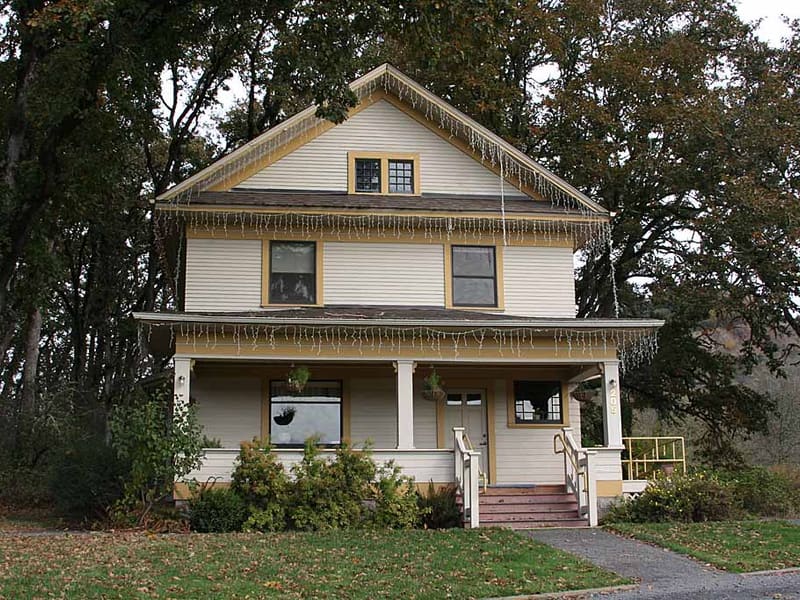
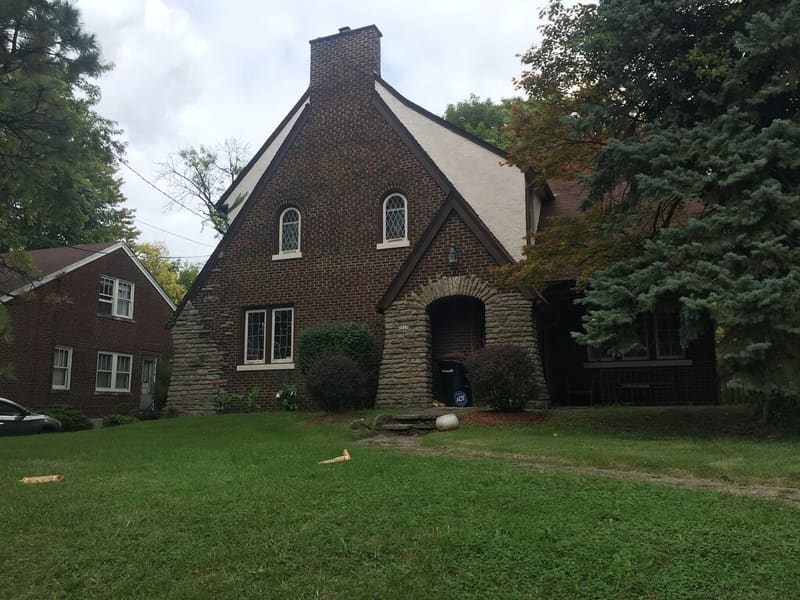
Massachusetts has the nation’s highest share of pre-1940 homes. That means a huge share of today’s roofs sit on framing that predates World War II, often with additions and materials installed in different eras. An asphalt slope may drain onto a porch membrane. Slate may remain above a newer rear addition. Old board decking may sit beside modern panels. A new roof must resolve those transitions, not merely cover them. A useful inspection maps each plane, checks accessible attic evidence, identifies ventilation and drainage concerns, and explains what tear-off may uncover.
Housing physics also changes by region. Boston roof replacement can involve triple-deckers built from 1880 to 1930, flat or low-slope fields, parapets, and tight material staging. Worcester replacement must account for a snow belt that averages roughly five to six feet each season, with shaded valleys and ice-prone eaves. Cape Cod roof replacement brings cedar choices, salt air, windward edges, and seasonal occupancy. The regional service guide also covers Springfield, Lowell, Brockton, Quincy, and Framingham.
The result should be a written construction decision, not a mystery total. Ask what stays, what comes off, which flashing is rebuilt, how decking changes are approved, where ice-and-water protection is used, how low-slope sections are handled, who verifies local permit requirements, and what cleanup and warranty terms apply. If repair and replacement are both realistic, request the limits and expected purpose of each option before choosing.

Photo-backed diagnosis · Repair when sound material remains · Written replacement scope
Trace the failure before choosing the fix: lifted shingles, open flashing, ice-dam damage, low-slope seams, and older roof sections each call for a different repair plan.
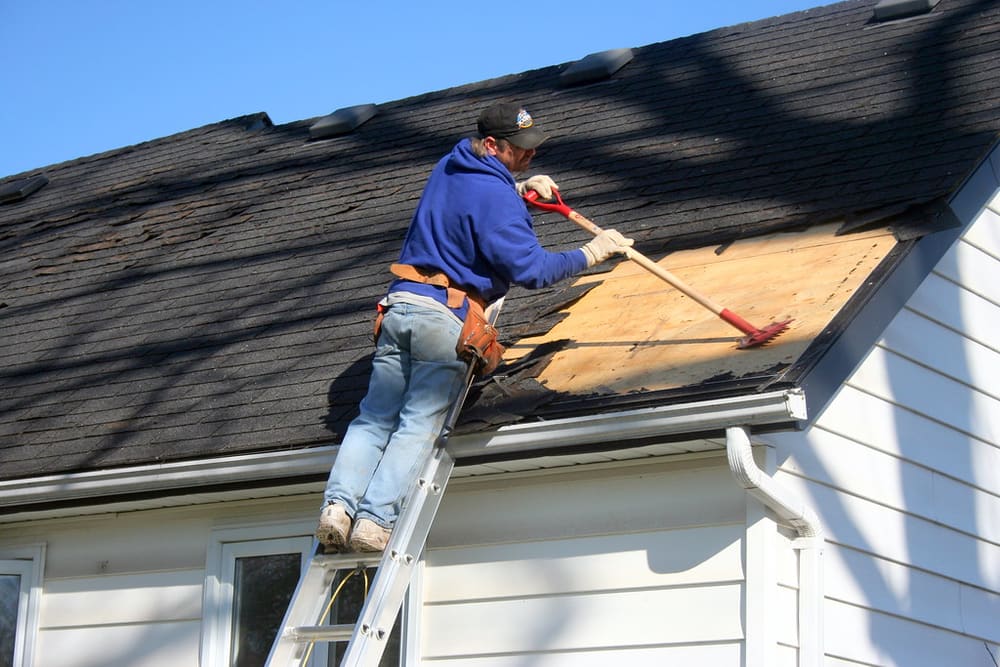
Follow the water from plaster and attic marks back to the roof opening, including chimney flashing, valleys, eaves, and low-slope wall joints.
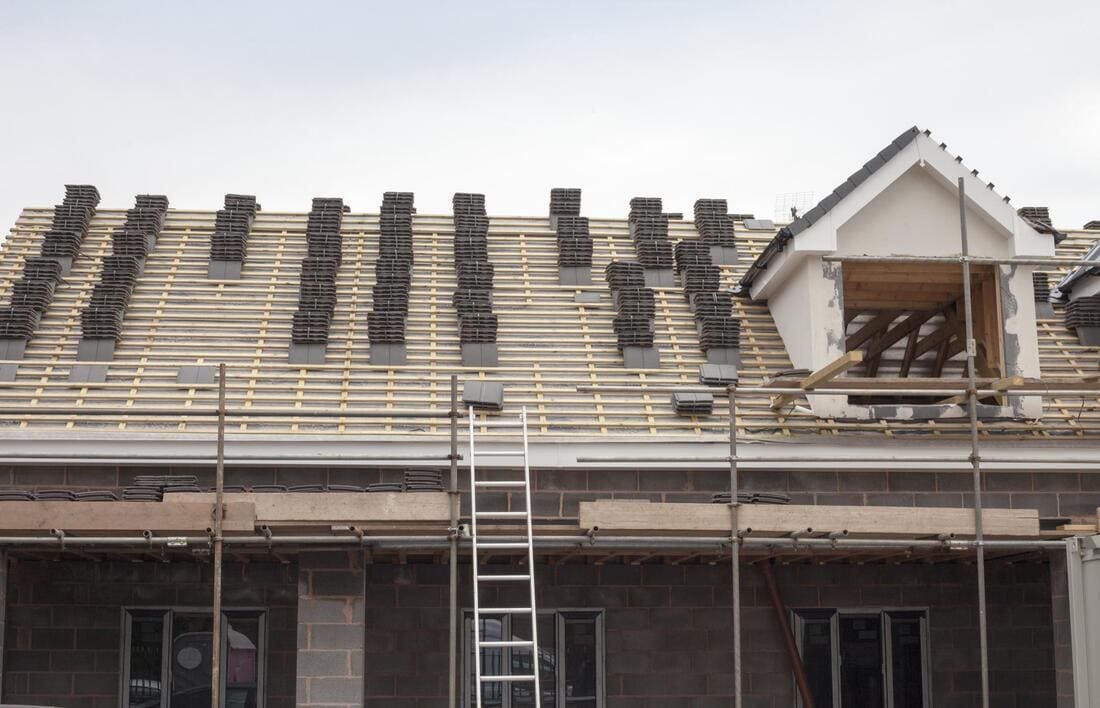
Plan an asphalt replacement with real ranges, then account for access, roof geometry, decking, ventilation, and older material transitions before comparing bids.
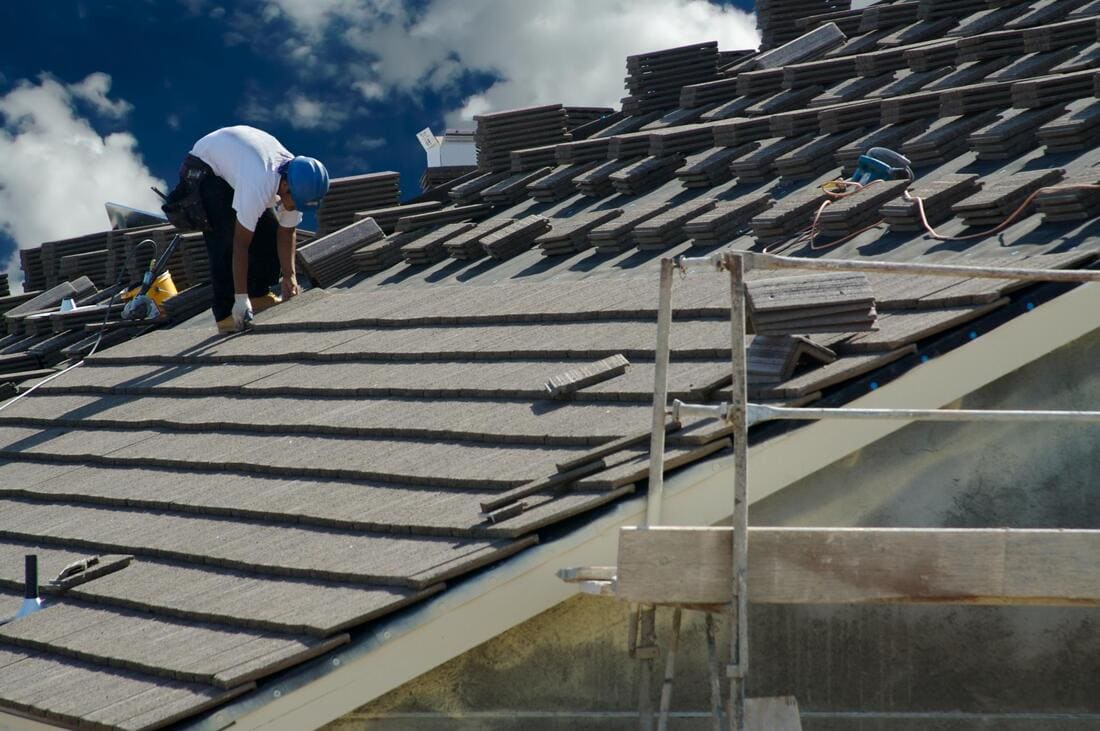
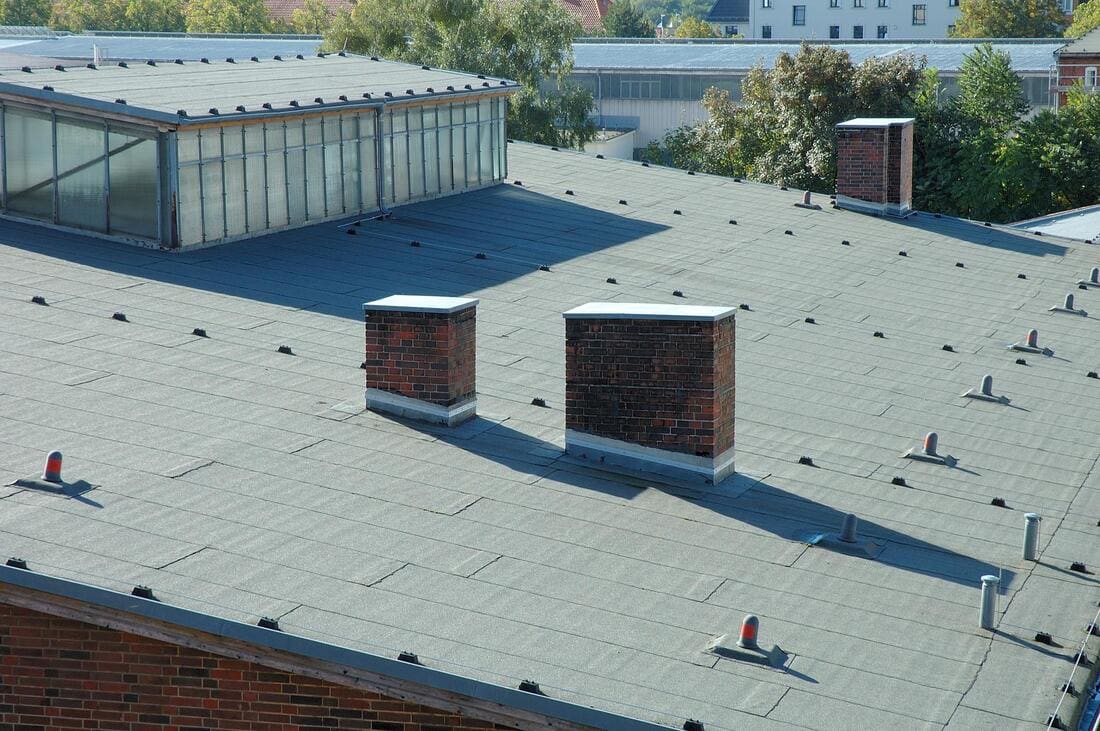
A vent boot, chimney joint, small shingle field, or membrane seam can often be repaired when the surrounding roof remains stable. The contractor should show the failure point and explain how new material will tie into the existing field. Replacement deserves a parallel quote when shingles break during ordinary lifting, water enters on unrelated planes, sheathing is soft in several areas, or a low-slope surface is crowded with older patches. The difference is not roof age alone. It is whether a focused repair has sound material on every side and a reasonable purpose beyond postponing the next nearby leak.
No inspection can expose every board beneath installed roofing. The proposal can still make hidden damage manageable. Ask how much sheathing is included, the unit price for additional wood, who approves changes, and whether location-labeled photos will document what was found. Structural work such as sheathing or framing can bring the Massachusetts Construction Supervisor License into the scope. Existing one-to-four-family residential work also commonly requires Home Improvement Contractor registration under M.G.L. c.142A. Request both identifiers from the serving contractor and verify them through the free mass.gov lookups before signing.
Asphalt, slate, cedar, metal accents, and low-slope membrane may share one building. Each system needs its own preparation, fastening, flashing, and drainage logic. A broad line such as “replace roof” does not reveal whether a porch membrane, chimney cricket, mansard edge, or slate tie-in is included. Slate, cedar, and complex coastal work is custom-quote only because existing condition, matching material, safe access, and transitions must be inspected. If a contractor will not perform the specialty portion, the scope should say how that work is coordinated before adjacent material is removed.
Nor’easter wind and heavy rain can open roof edges, move flashing, crease shingles, and drive water into calm-weather joints. A useful storm visit photographs observed conditions and creates an itemized construction scope. It does not promise that an insurer will accept a cause, approve replacement, or pay a particular amount. Do not rely on “free roof,” deductible arrangements, or guaranteed-approval claims. If the roof is open, temporary protection comes first. Once conditions are safe, the permanent repair or replacement decision should stand on the roof evidence and written scope.
Massachusetts permit requirements vary by city and town. The serving contractor should verify the requirements that apply to the exact property and construction scope, then state permit responsibility in writing. A rule or fee from one municipality should not be carried into a quote for another. The same principle applies to access: a Boston staging plan, a Worcester winter detail, and a Cape coastal setup are different cost and scheduling conversations even when the measured asphalt area is similar.
Massachusetts roofing service
Document lifted edges, missing material, branch impacts, and wind-driven rain paths before choosing temporary protection, repair, or replacement.
Massachusetts roofing service
Contain active water and protect an opened roof with a safe temporary dry-in, then document the permanent repair after conditions settle.
Massachusetts roofing service
Get a condition read that separates immediate openings, maintenance items, repairable details, and evidence that replacement should be priced.
Massachusetts roofing service
Use spring and fall checks to catch open flashing, exposed fasteners, blocked drainage, moss-prone valleys, and membrane seams while the roof is still sound.
Massachusetts roofing service
Correct sagging runs, open seams, weak hangers, fascia damage, and poor downspout discharge before runoff backs up at the roof edge.
Massachusetts roofing service
Trace wall moisture through siding, trim, flashing, and roof intersections before replacing panels that may be only the visible symptom.
Use these ranges to test the scale of a proposal, not to diagnose a roof from a street photo. A roofing square measures 100 square feet of roof surface, and the surface area differs from the home’s floor area. Pitch, height, valleys, dormers, waste, tear-off layers, staging, disposal, decking, ventilation, flashing, and municipal requirements determine the written number. Boston and Cape access can increase setup costs. The asphalt replacement range does not apply to slate, cedar, or complex coastal work, which requires a custom quote after an inspection.
| Scope | Typical range | What it covers |
|---|---|---|
| Minor roof repair | $350-$850 | Small shingle repairs, pipe boots, simple flashing attention, or limited slate replacement where access is straightforward. |
| Moderate leak repair | $800-$2,000 | Leak tracing, ice-dam damage, chimney flashing, valley work, or a rubber-roof patch after the source is confirmed. |
| Major section repair | $2,000-$6,000 | Larger roof sections, sheathing replacement, structural carpentry, or careful tie-ins around slate, cedar, or low-slope areas. |
| Emergency tarp or dry-in | $400-$1,000 | Temporary protection after coastal wind, a nor'easter opening, falling branches, or active water entry. |
| Architectural asphalt replacement | $14,000-$35,000 | Common full-replacement planning range for many Massachusetts homes, roughly $600-$1,000 per square installed. |
See the Massachusetts roof replacement cost guide for bid-comparison questions and the factors behind these typical planning ranges. The free inspection confirms the firm scope and price.
Share the address, number of stories, material if known, interior stain location, recent weather, and whether water is moving now. Use safe indoor or ground-level photos and stay off wet, icy, steep, or wind-damaged roofing.
The inspection should connect each recommendation to a roof plane or detail, then distinguish monitoring, maintenance, repair, emergency protection, specialty work, and replacement. Ask what evidence makes the chosen path practical.
Compare roof measurement, materials, underlayment, edge protection, flashing, ventilation, decking allowances, disposal, cleanup, permit responsibility, schedule assumptions, and warranty terms. Verify the serving contractor’s HIC and applicable CSL on mass.gov.
Dedicated pages cover Boston, Worcester, Springfield, Lowell, Brockton, Quincy, Framingham, and Cape Cod. They focus on the construction and exposure that change the roof decision: urban low-slope access, Central Massachusetts snow, Pioneer Valley freeze-thaw, Merrimack Valley multi-family details, South Shore wind, MetroWest shade, and Cape salt air. Nearby communities can be served when the independent contractor’s coverage and schedule allow. Call (617) 397-4837 with the property address to confirm availability before planning an inspection.
When comparing regions, keep material capability in view as well as distance. A contractor prepared for architectural asphalt replacement may need separate specialty support for slate, cedar, standing-seam details, or a low-slope membrane. Describe every roof section during the first call so access and material questions are settled before the inspection. The written proposal should then state who performs each part and how one roof system ties into the next.
Many architectural asphalt replacements fall between $14,000 and $35,000, roughly $600-$1,000 per square installed. That is a market planning range confirmed by an inspection, not a quote for an unseen roof. Measured roof area, pitch, height, tear-off, decking, ventilation, flashing, staging, disposal, and municipal requirements move the final number. Slate, cedar, and complex coastal work is custom-quote only.
Repair is usually the first option when one detail has failed and the surrounding roof remains flexible and sound. Replacement becomes more practical when leaks recur on unrelated planes, shingles break when lifted, soft decking extends through several areas, low-slope patches cover much of the field, or a repair cannot tie into stable material. Ask for photos and both paths when both are credible.
Permit requirements vary by municipality and the construction involved. The serving contractor should verify what applies to the property and state who handles the permit in the written proposal. Before signing residential work, request the contractor’s Home Improvement Contractor registration and applicable Construction Supervisor License and check both through the free mass.gov lookup tools.
Sometimes. A small group of damaged slates, one flashing detail, or a limited cedar area may be repairable when the surrounding field and fasteners are stable. Matching material, safe access, tie-ins, and the condition below the surface all matter. Slate and cedar work is custom-quote only; an asphalt price teaser cannot describe the specialty scope responsibly.
Stay off the roof and document safe ground-level and interior views. The contractor should photograph observed openings, lifted material, edge damage, flashing, gutters, and water paths, then separate temporary dry-in from permanent work. Coverage decisions belong to the insurer. No contractor can promise approval, a claim result, or a deductible arrangement.
Massachusetts is a strict all-party-consent state under M.G.L. c.272 § 99. A recording notice is provided before a call or voicemail is recorded. Continuing the call or leaving a message after that notice communicates consent to recording. If you do not want the call recorded, end the call before recording begins and use email instead.
Call Us Today
Massachusetts Roof Pros
(617) 397-4837Call for replacement planning, leak triage, storm documentation, and a written scope from a licensed, insured independent Massachusetts roofing contractor serving your area.
“A storm blew a section of fascia loose. They dried it in the same day so the weather could not do more damage, then finished the fix clean.”
“Three companies said full roof. They found one failing valley and fixed it for a fraction of the price. Years on, still dry.”
“Did a full inspection before we bought the house and sent photos the same evening. The report was itemized enough for the seller to agree to the repair.”