Boston roof replacement starts above three stacked units, behind a parapet, or at the point where a mansard edge meets a low-slope field. Roughly 15,000-16,000 triple-deckers were built in Boston and surrounding cities between 1880 and 1930, and the type is closely associated with flat roofs and tight urban lots. Today those buildings can combine rubber membrane, slate or asphalt detail, chimneys, and additions installed in different eras. Call (617) 397-4837 for a Boston inspection. The quote should identify each roof area and explain access, staging, drainage, and transitions before reducing the job to one total.
This site is a marketing platform. Calls and form requests route to a licensed, insured independent Massachusetts roofing contractor serving the requested area; Massachusetts Roof Pros does not perform the roofing work. The serving contractor confirms availability, exact pricing, applicable CSL and HIC credentials, municipal permit responsibility, materials, scheduling, contract terms, and warranties in writing.
Local roof conditions
Boston roofing context
Triple-deckers, rowhouses, tight access, flat rubber sections, slate details, and roof replacement planning in dense city conditions.
Before signing a residential roofing contract, ask the serving contractor which HIC registration and Construction Supervisor License apply to the scope. Both credentials can be checked through the free mass.gov lookup tools.
Map the membrane, parapet, and steep-roof junctions
Low-slope roofing depends on continuous seams, drains or scuppers, curb flashing, wall terminations, and enough slope to move water. Mansards, dormers, or short asphalt sections depend on a different shedding system. Where the two meet, one material cannot simply cover the edge of the other. The inspection should document membrane type and patch history, ponding clues, parapet caps, chimney bases, drainage, and every transition to slate, metal, or shingles. If moisture has reached insulation or decking below the field, the scope should explain how much must be opened. Slate detail and complex multi-material work is custom-quoted after that inspection.
Tight access belongs in the written setup plan
A dense Boston lot can limit where membrane rolls or shingles are staged, how tear-off debris leaves the roof, and where ladders or lifts can be placed. Roof height, rear access, parking, nearby walls, and occupied units affect sequencing. The contractor should describe material delivery, protection below the work, debris handling, daily weather closure, and communication for residents before the start date. Those conditions can raise costs even when roof area is modest. Your serving contractor also verifies municipal permit requirements and states permit responsibility in the proposal.
Choose the next page by the symptom
Use roof leak repair when water appears below a chimney, wall, or low-slope section. Choose emergency dry-in help for an active opening. For a broader condition decision, review roof inspection and the Massachusetts cost guide. Ask the serving contractor for the HIC registration and applicable CSL, then verify both through the free mass.gov lookups before signing.
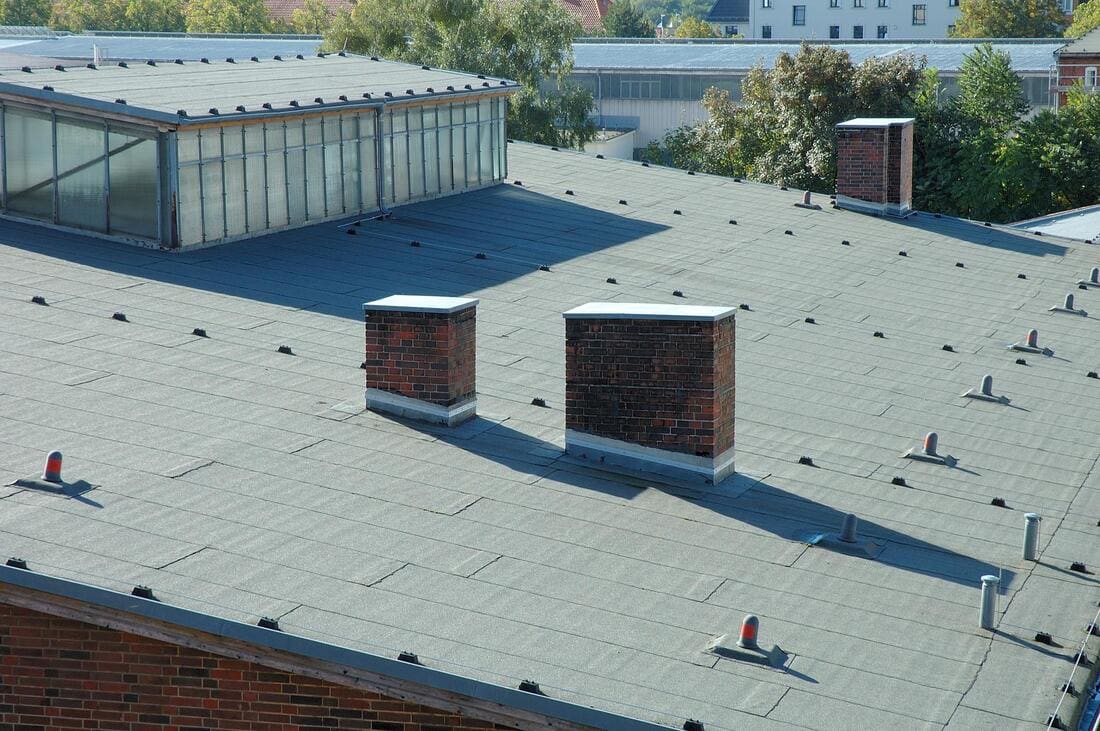
If you are comparing replacement with repair, start with a roof inspection and ask for photos before choosing between a small repair and a larger project. For budget planning, the Massachusetts roof replacement cost guide explains the statewide ranges that move with access, materials, and roof complexity. For direct routing, call (617) 397-4837.
Massachusetts Roof Pros
(617) 397-4837Speak with a Massachusetts roofing contractor serving your area. Under M.G.L. c.272 § 99, recording begins only after the required all-party notice is provided.