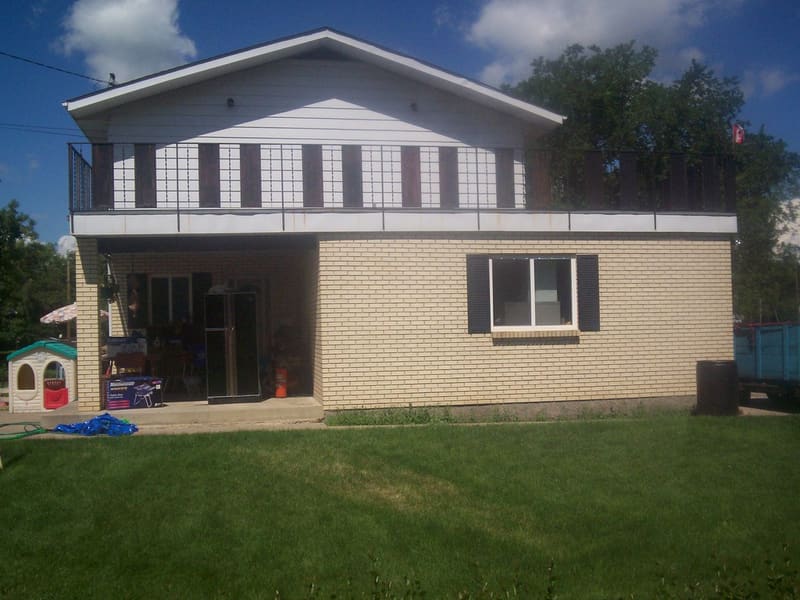
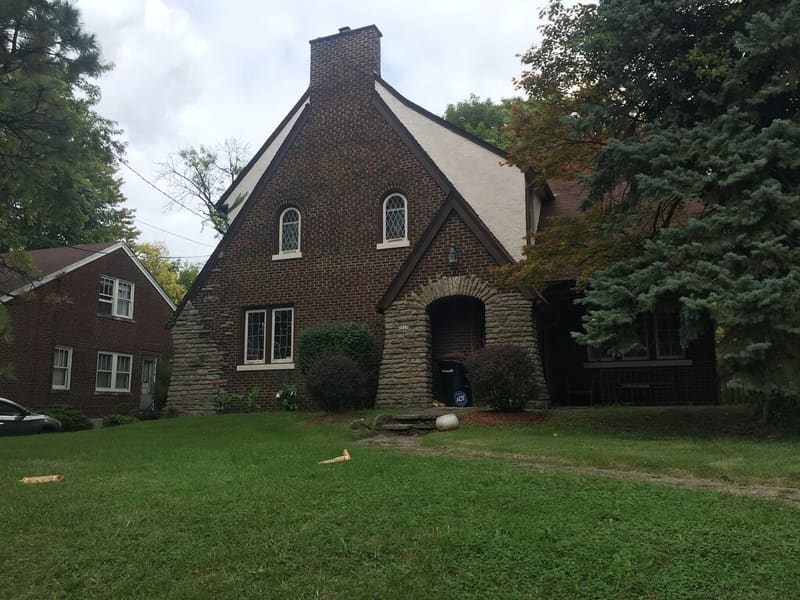
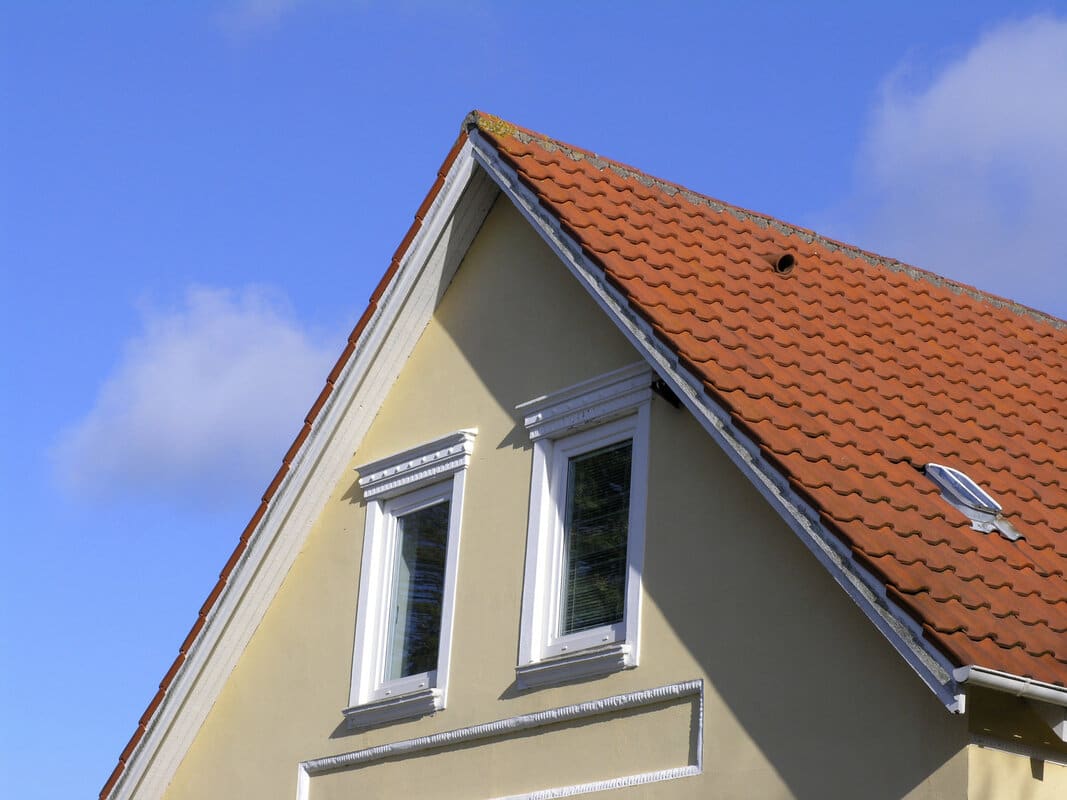
Worcester sits in the Central Massachusetts snow belt, with roughly five to six feet of snow in an average season. On hill-exposed colonials and older three-deckers, the open plane may clear while a shaded valley, dormer side, or lower eave keeps snow and meltwater. Freeze-thaw movement then works at shingles, slate, chimney flashing, and old patch lines. Call (617) 397-4837 when repeated winter stains or an aging roof needs a replacement comparison. A useful scope should show how the new assembly handles valleys, edges, ventilation, and the wood uncovered during tear-off.
This site is a marketing platform. Calls and form requests route to a licensed, insured independent Massachusetts roofing contractor serving the requested area; Massachusetts Roof Pros does not perform the roofing work. The serving contractor confirms availability, exact pricing, applicable CSL and HIC credentials, municipal permit responsibility, materials, scheduling, contract terms, and warranties in writing.
Local roof conditions
Worcester roofing context
Hill exposure, older three-deckers, colonials, storm runoff, ice-prone valleys, and central Massachusetts roof replacement decisions.
Before signing a residential roofing contract, ask the serving contractor which HIC registration and Construction Supervisor License apply to the scope. Both credentials can be checked through the free mass.gov lookup tools.
Tear-off is when older decking stops being an assumption
A roof can look uniform from above while boards or panels below reflect additions, older repairs, and repeated wetting. The Worcester proposal should state the known tear-off layers, included decking allowance, unit price for additional wood, and approval process if deterioration extends beyond the estimate. Chimney flashing, porch-roof connections, and ventilation should be described separately rather than buried in a general replacement line. Photos after tear-off help the homeowner understand why an allowance changed and whether the new roof is being attached to a stable surface.
Design the valleys and eaves for snowmelt
Snow held beside a dormer or in a valley can melt against colder roofing below, and attic heat can send meltwater toward a frozen eave. Replacement cannot control every winter condition, but it should correct vulnerable roof details rather than repeat them. Ask where ice-and-water protection is included, how valley material is assembled, how intake and exhaust ventilation are balanced, and how drip edge connects to the gutter. A porch or low-slope addition may require membrane rather than shingles. If interior water appears only during thaw, the inspection should also distinguish roof-covering damage from insulation, air-sealing, and ventilation work outside the roofing scope.
Move from winter symptom to written decision
Start with leak tracing for stains near eaves or valleys, maintenance for drainage and small seasonal details, and replacement costs when repair has become repetitive. For a post-wind record, use storm documentation. Request the serving contractor’s HIC and applicable CSL identifiers and check the free mass.gov lookups before the residential contract is signed.
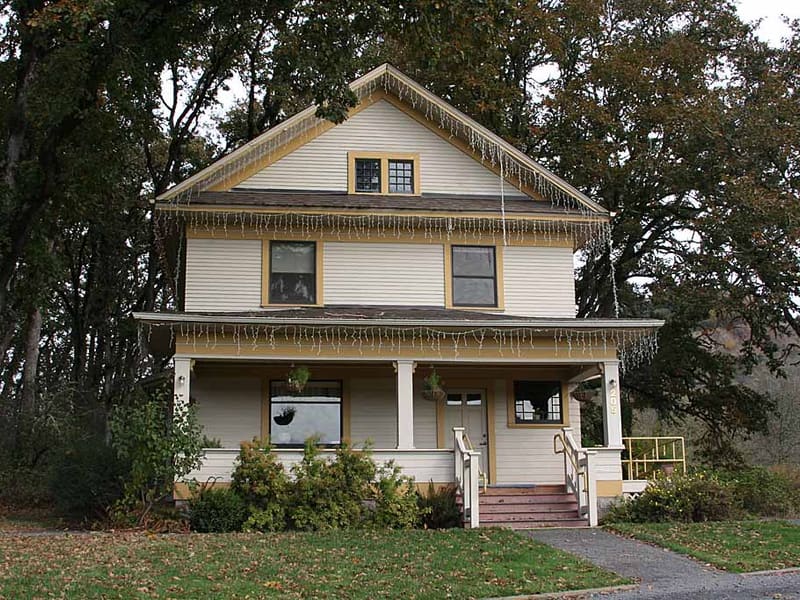
If you are comparing replacement with repair, start with a roof inspection and ask for photos before choosing between a small repair and a larger project. For budget planning, the Massachusetts roof replacement cost guide explains the statewide ranges that move with access, materials, and roof complexity. For direct routing, call (617) 397-4837.
Massachusetts Roof Pros
(617) 397-4837Speak with a Massachusetts roofing contractor serving your area. Under M.G.L. c.272 § 99, recording begins only after the required all-party notice is provided.