Roof replacement and repair guidance shaped by urban access, snow, freeze-thaw, tree cover, coastal wind, and salt air.
A roof problem changes character as it crosses Massachusetts. Boston calls may involve a low-slope
triple-decker behind a parapet. Worcester valleys can hold snow after an open plane clears. A
Springfield porch roof may freeze and drain differently from the main slope. Quincy and Cape Cod
put windward edges, metal, fasteners, and cedar into salt air. One inspection standard still applies:
identify the roof system, trace the failure, photograph the evidence, and write the scope before
choosing repair or replacement.
Massachusetts also has the nation’s highest share of pre-1940 homes. A huge share of roofs sit on
framing that predates World War II, sometimes with later dormers, porches, or rear additions.
Asphalt, slate, cedar, metal, and low-slope membrane can meet on one building. Those transitions are
where a price based only on floor area becomes unreliable. The contractor should map each plane,
note access and drainage, and explain what tear-off may reveal about decking and ventilation.
Calls and form requests route to a licensed, insured independent Massachusetts roofing contractor
serving the requested area. Availability depends on the property, service radius, schedule, weather,
and safe access. Call (617) 397-4837 with the address,
roof material if known, building height, and current symptom. If water is active, say so at the start
of the call so temporary protection can be considered separately from the permanent repair.
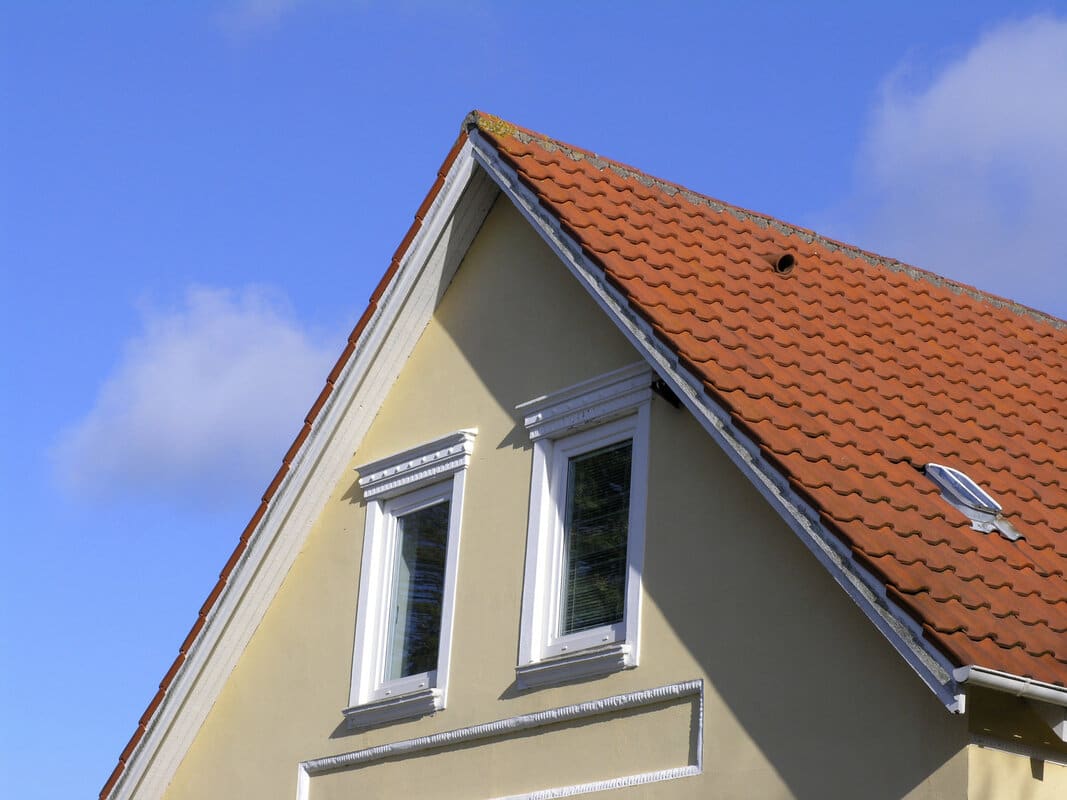
Dormers, valleys, additions, and roof edges change how water moves and how replacement is scoped.
Four Massachusetts roof settings that change the scope
Boston metro: stacked units and low-slope drainage
Roughly 15,000-16,000 triple-deckers were built in Boston and surrounding cities from 1880 to
1930. Their flat roofs, tall elevations, and tight lots make membrane seams, wall terminations,
drains, parapets, material staging, and occupied-unit protection central to replacement planning.
Older mansard, slate, or asphalt details may remain at the perimeter. The
Boston roof replacement page explains how to separate
those roof systems in the written quote.
Central Massachusetts: snow held at valleys and eaves
Worcester averages roughly five to six feet of snow in a season. Hill exposure, shaded slopes,
dormers, and valleys can hold snow or meltwater unevenly, while attic heat contributes to ice at
colder edges. A replacement scope should address valley construction, ice-and-water protection,
ventilation, drip edge, and decking uncovered below old leaks. Read the
Worcester planning guide for that snow-belt setting.
South Shore and Cape Cod: wind, salt air, and cedar choices
Coastal wind drives rain toward rakes, flashing lips, vents, and membrane edges. Salt air wears at
fasteners and exposed metal, while traditional Cape cedar weathers through years of UV and salt
exposure. Cedar-versus-asphalt decisions require an on-site condition and maintenance discussion.
Slate, cedar, and complex coastal work is custom-quote only. Compare the
Quincy and
Cape Cod pages before requesting the scope.
Pioneer Valley and MetroWest: freeze-thaw and slower drying
Springfield’s older asphalt roofs, porch sections, and additions can drain at different rates through
freeze-thaw cycles. In Framingham, tree cover, wet gutters, additions, and shaded valleys can keep one
plane damp long after another dries. These conditions do not automatically require replacement. They
tell the inspector where to look for brittle material, trapped debris, flashing movement, and wood
damage before comparing maintenance, localized repair, and a new roof.
Regions available for routing
Coverage includes the major regions below when the independent contractor’s service radius,
schedule, weather, and access allow. The list describes the geographic request area; it does not
represent office locations.
Boston Metro
North Shore
South Shore
MetroWest
Merrimack Valley
Central Massachusetts
Pioneer Valley
Cape Cod
South Coast
Berkshires
How coverage is confirmed
Share the property address and roof concern when you call. A tall low-slope building may require
different access and material capability from a two-story asphalt home, even inside the same city.
The serving contractor confirms the service radius, inspection timing, specialty-material capability,
and any access limits before scheduling. For residential work on an existing one-to-four-family home,
request the Home Improvement Contractor registration. Ask which Construction Supervisor License applies
when the scope includes structural roof work such as sheathing or framing. Both can be checked through
free mass.gov lookups before a contract is signed.
These eight pages are regional anchors, not the full list of Massachusetts communities that may be
served. Call (617) 397-4837 with the address and roof
concern. Coverage can be confirmed before an inspection is placed on the schedule. For active leaking,
keep off the roof, move belongings from the water path where safe, and mention the urgency immediately.