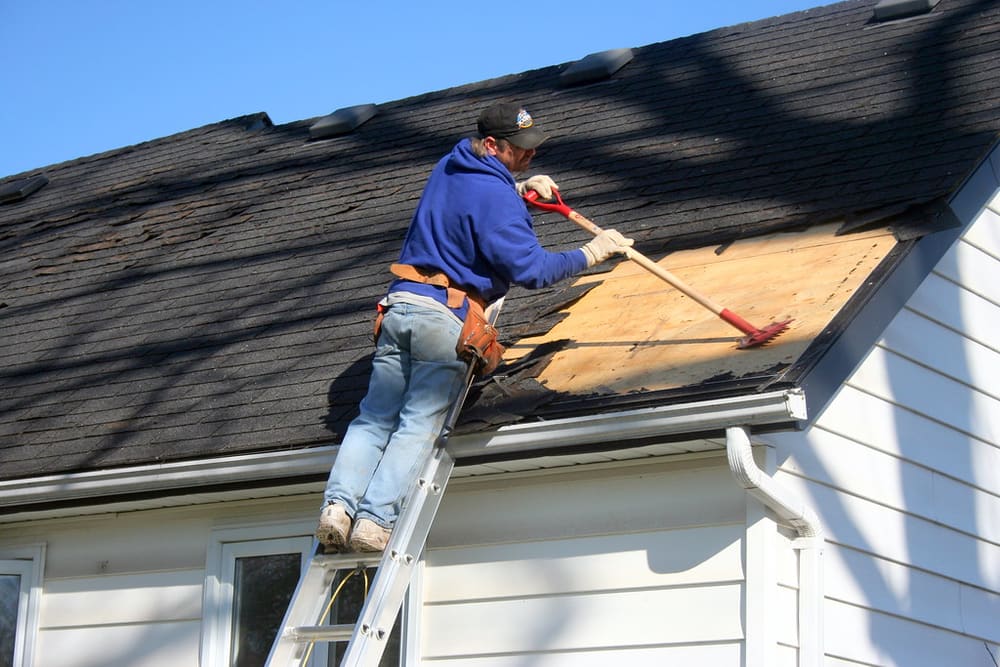
Follow the water from plaster and attic marks back to the roof opening, including chimney flashing, valleys, eaves, and low-slope wall joints.
A ceiling stain is a record of where water stopped, not where it entered. Rain can cross the roof deck along a nail line, run beside a rafter, drop behind chimney flashing, or travel under a low-slope membrane before reaching plaster. Winter leaks add another path: snow melts over a warm attic, refreezes at a cold eave, and backs water beneath the roof covering. Call (617) 397-4837 and describe the room, roof plane, weather, and timing of the drip. A free inspection should leave you with photos of the suspected source and a written plan that distinguishes a permanent repair from temporary water control.
Read the stain together with the roof geometry
The useful clues are when the stain grows, whether wind changes the leak, and what sits uphill from the room. A drip during every rain points to a different shortlist than water that appears only during a thaw or wind from one direction. When attic access is available, dark decking, rusted nail tips, compressed insulation, and water marks can narrow the route. Outside, the contractor should inspect the corresponding slope and the details around chimneys, valleys, pipe boots, dormers, skylights, sidewalls, and ridge material. Testing should be controlled and used only when conditions make it appropriate. Guessing from the ceiling alone can lead to new shingles being installed below the actual opening.
Ice-dam water enters against the normal drainage path
Roofing is designed to shed water downhill. An ice dam can hold meltwater at the eave or in a valley long enough for it to move beneath shingles and underlayment. The resulting stain often appears near an outside wall even though the shingle field looks intact from the ground. Immediate work may involve safe water control or repair of damaged edge material. Lasting prevention can require a broader look at attic heat loss, ventilation, insulation, gutter flow, and ice-and-water protection at the roof edge. The maintenance guide explains what a seasonal check can catch, but it should not be used to promise that surface work alone will solve an attic heat problem.
Low-slope leaks follow seams, drains, and walls
Boston triple-deckers, city rowhouses, additions, and porch roofs often include flat or low-slope sections. Water may enter at an open seam, drain edge, scupper, penetration, parapet, or termination where the membrane turns up a wall. Ponding can also expose a weakness that remains dry during lighter rain. These systems should be inspected as membranes, not treated as shallow shingle roofs. The repair scope should name the existing material, how the surface will be prepared, whether insulation or decking is wet, and how the new patch will be joined to the field. If patches cover much of the surface or moisture extends below the membrane, replacement may be more reliable than adding another layer.
Decide whether the repair has sound material to join
A repair needs stable roofing around it. Brittle shingles can split while they are lifted, decayed boards may extend beyond the visible stain, and a worn membrane may not hold a durable patch. If the opening is isolated, ask for the smallest complete repair and a clear account of hidden-damage allowances. If leaks recur across unrelated areas, compare that repair with a full condition review through roof inspection and the planning ranges on the replacement cost page. For active water that cannot wait for safe permanent work, use emergency dry-in help. The written scope should say which kind of work you are buying.
Indoor staining narrows the search, but the repair belongs at the exterior entry point.
Often. Indoor timing, attic marks, failed flashing, split boots, lifted material, open seams, and debris patterns can reveal the likely path after the surface dries. Controlled water testing may help in suitable conditions, but it should proceed one area at a time so the result does not confuse one suspected source with another.
Should I open the ceiling before the roof is inspected?
Do not remove a large ceiling section merely to search for the leak. If material is bulging, saturated, or near electricity, keep clear and seek appropriate help. Safe indoor photos and notes about when water appears are useful; roof and attic evidence still need to be evaluated before the exterior repair is chosen.
Do ice-dam leaks always mean replacement?
No. A sound roof may need localized edge repair plus an evaluation of attic heat, insulation, ventilation, and drainage. Replacement becomes a stronger possibility when winter water has damaged a broad section, the roof covering is brittle, or the same eaves have failed repeatedly despite earlier repairs.
Speak with a Massachusetts roofing contractor serving your area. Under M.G.L. c.272 § 99,
recording begins only after the required all-party notice is provided.