A Cape Cod replacement decision often starts with silver-gray cedar, aging asphalt, or edge metal that has spent years in salt air and wind off the water. Cedar is a traditional Cape material, but choosing cedar again or changing to asphalt requires a conversation about field condition, maintenance, ventilation, exposure, and the roof’s details. Seasonal occupancy adds another concern: a small leak may travel unnoticed before the next visit. Call (617) 397-4837 for a Cape-area inspection. Cedar and complex coastal work is custom-quote only because the roof and access need to be evaluated in person.
This site is a marketing platform. Calls and form requests route to a licensed, insured independent Massachusetts roofing contractor serving the requested area; Massachusetts Roof Pros does not perform the roofing work. The serving contractor confirms availability, exact pricing, applicable CSL and HIC credentials, municipal permit responsibility, materials, scheduling, contract terms, and warranties in writing.
Local roof conditions
Cape Cod roofing context
Coastal wind, salt air, vacation homes, cedar and asphalt roof choices, storm exposure, and replacement planning across the Cape Cod region.
Before signing a residential roofing contract, ask the serving contractor which HIC registration and Construction Supervisor License apply to the scope. Both credentials can be checked through the free mass.gov lookup tools.
Choose material with exposure and upkeep in view
Cedar weathers through UV and salt exposure, while asphalt has its own edge, fastening, ventilation, and surface-wear requirements. Neither choice should be made from appearance alone. The contractor should inspect roof pitch, sheathing or battens where they can be evaluated, existing ventilation, fasteners, flashing, and how each plane faces the weather. Ask what maintenance the proposed system requires and how transitions to chimneys, dormers, low-slope roofs, or remaining material will be built. Because cedar condition and sourcing vary, no simple teaser range replaces a project-specific scope.
Build inspection access and weather closure into the plan
For a part-time property, the first inspection should establish who can provide interior or attic access, where photos and approvals go, and how hidden damage decisions will be made if the owner is away. The proposal should state material staging, daily dry-in, cleanup, and how coastal weather can move the schedule. After completion, request location-labeled photos of roof planes, flashing, edge details, and any decking changes. That documentation is practical property care, not a promise about future storms.
Respond to Cape wind without skipping diagnosis
Use storm repair to document lifted edges and wind-driven rain, emergency dry-in for an active opening, and roof inspection for a seasonal property condition read. The cost guide explains common asphalt planning ranges; cedar and complex coastal work remains custom-quote only. Verify the serving contractor’s HIC registration and applicable CSL through mass.gov before signing.
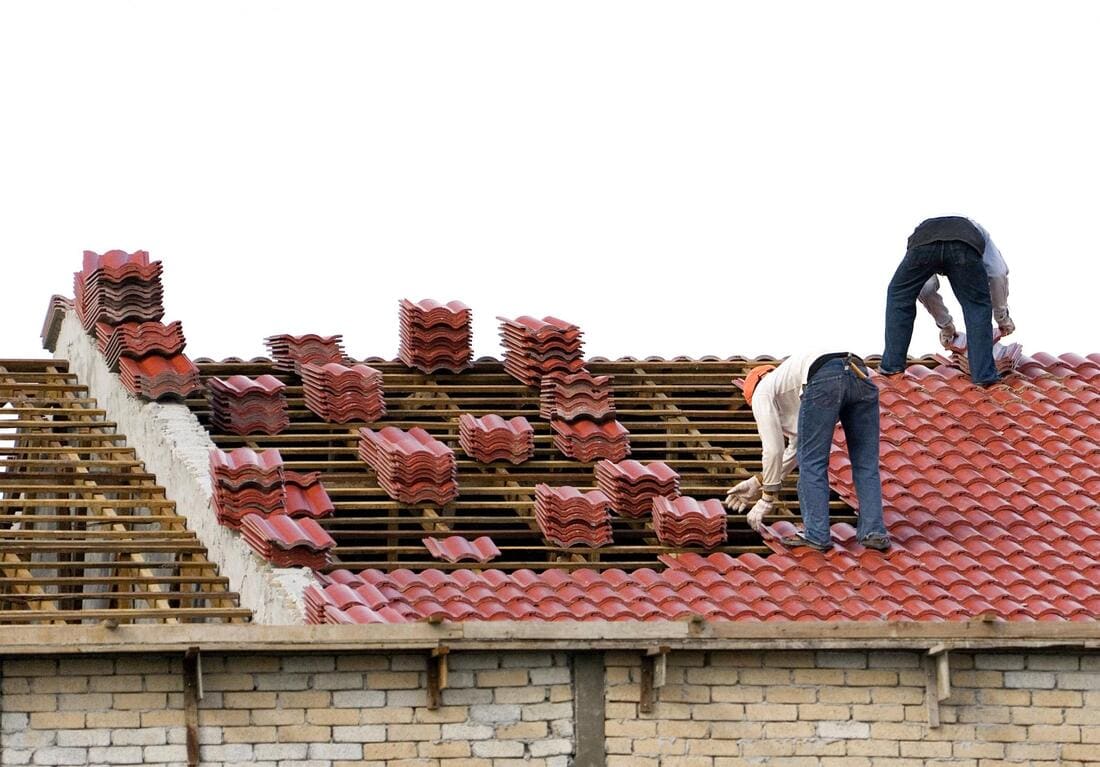
If you are comparing replacement with repair, start with a roof inspection and ask for photos before choosing between a small repair and a larger project. For budget planning, the Massachusetts roof replacement cost guide explains the statewide ranges that move with access, materials, and roof complexity. For direct routing, call (617) 397-4837.
Massachusetts Roof Pros
(617) 397-4837Speak with a Massachusetts roofing contractor serving your area. Under M.G.L. c.272 § 99, recording begins only after the required all-party notice is provided.